A Hot Work Permit is a type of Permit to Work (PTW) that is issued for tasks involving work that can generate heat, sparks, or open flames. This permit ensures that appropriate safety precautions are taken when performing activities that ...
Technical knowledge Hub
Operator Zone – Technical knowledge hub Latest Questions
Saqlain AbbasBegginer
Ensures Safety: PTWs help manage and control the hazards associated with high-risk work. They are essential for protecting workers and ensuring a safe working environment. Regulatory Compliance: Many industries require PTWs to comply with local regulations, standards, and safety laws. Prevents Accidents: ...
A Permit to Work (PTW) is a formal written system used to ensure that specific work activities, especially high-risk tasks, are carried out in a safe and controlled manner. The PTW system provides a structured approach for managing hazards and ...
To shift a pump to a workshop, Permit to Work (PTW) is typically required for activities that involve potential hazards or risks, especially if the process requires maintenance, disassembly, or any associated activities such as lifting or handling hazardous materials. ...
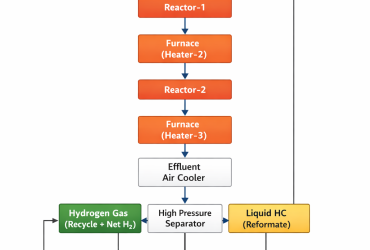
Maintaining moisture control in the feed to a reformer unit is crucial for several reasons: Catalyst Protection: Reformers typically use catalysts (such as platinum, rhodium, or other metals) to facilitate chemical reactions like the conversion of hydrocarbons into hydrogen, syngas, and ...
A split-range loop is a control strategy used to control multiple control devices with a single output signal. In a split-range control system, one controller’s output is split into two or more ranges, each of which controls a different device ...
Saqlain AbbasBegginer
A cascade loop is a control system used to manage processes that involve multiple control loops, where one loop (the “master” loop) controls a secondary loop (the “slave” loop). In a cascade control system, the output ...