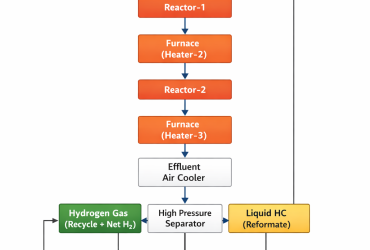
The Crude Distillation Unit (CDU) is the first processing unit in a refinery where crude oil is separated into different fractions based on boiling points. Below are key interview questions with detailed answers. ✅ General Process Questions 1️⃣ What is the ...
Technical knowledge Hub
Operator Zone – Technical knowledge hub Latest Questions
🔹 Problem: Operators observe poor desulfurization performance and an increase in coke formation inside the reactor. 🔹 Possible Causes: ✔ Hydrogen ...
Below are the answers to each question one by one. ✅ General Process Questions 1️⃣ What is the purpose of the Naphtha Hydrotreater (NHT) unit? 🔹 The Naphtha Hydrotreater (NHT) Unit removes sulfur, nitrogen, oxygen, and metal impurities from naphtha using hydrogen ...
Saqlain AbbasBegginer
Signs include high reactor pressure drop, decreased conversion efficiency, and higher reactor temperatures. Mitigation involves increasing hydrogen-to-feed ratio, periodic catalyst replacement, and using guard beds.
Follow Emergency Shutdown Procedures (ESD): 1️⃣ Stop the feed pump. 2️⃣ Close reactor inlet valves. 3️⃣ Maintain nitrogen purging. 4️⃣ Monitor hydrogen venting to prevent pressure buildup.
Catalyst fouling, carbon deposition (coking), and particulate contamination from feedstock. The solution is to perform catalyst regeneration or replacement and ensure proper filtration of the feed.
Low hydrogen purity can lead to coking, catalyst deactivation, and incomplete desulfurization. To fix this, operators check H₂ supply pressure, recycle gas compressor efficiency, and remove contaminants.